Smartphone Seamless Patterns: A Creative Resource for Designers and Enthusiasts
Smartphone seamless patterns are a versatile design tool that can elevate your creative projects in countless ways. Whether you're crafting greeting cards, designing party invitations, or creating digital backgrounds for blogs and websites, these patterns offer a seamless, repeatable aesthetic that looks polished and professional. With the right tools and knowledge, you can unlock their full potential and avoid common pitfalls that might otherwise compromise your results.
What Are Smartphone Seamless Patterns?
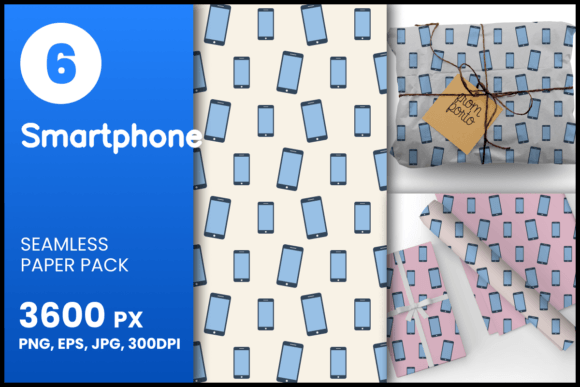
Smartphone seamless patterns are repeating designs that seamlessly tile together without visible seams. These patterns are often created to resemble the look of a smartphone screen, making them ideal for use in various design applications. They come in multiple formats such as JPG, PNG, and EPS, ensuring compatibility with a wide range of software and platforms.
These patterns are particularly popular among creators who need high-quality, scalable graphics for both print and digital use. Their ability to repeat without distortion makes them perfect for wrapping paper, scrapbooking, and even desktop backgrounds. The key is understanding how to choose and apply them effectively to maximize their impact.
Common Mistakes When Using Smartphone Seamless Patterns
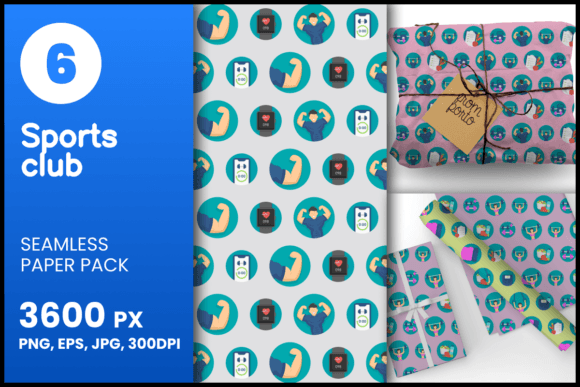
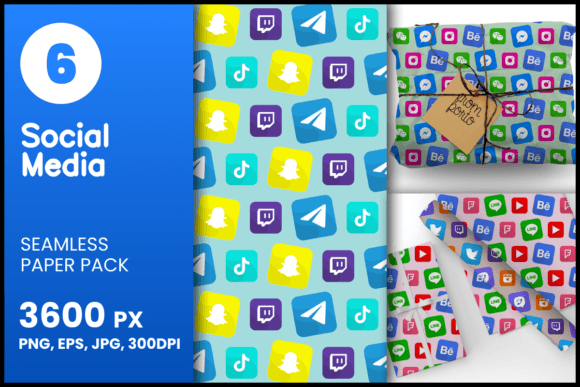
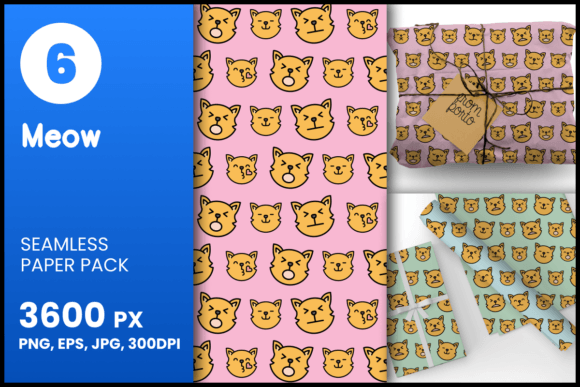
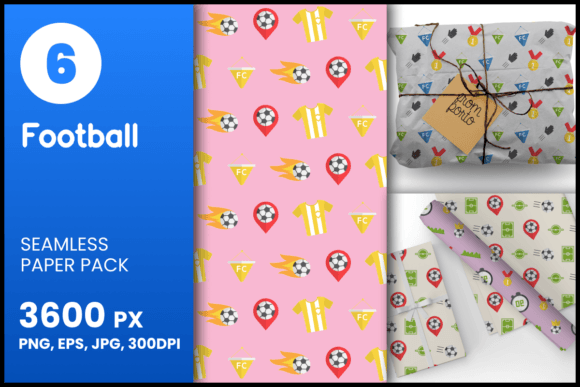
While smartphone seamless patterns are incredibly useful, there are several common mistakes that users often make. One of the most frequent errors is not checking the resolution and file size before downloading. High-resolution files (such as 3600 x 3600 pixels at 300 DPI) ensure crisp, clear output when printed or displayed digitally. Low-quality files can lead to pixelation and poor visual results, especially when used for professional projects.
Another mistake is failing to consider the intended use of the pattern. For example, a pattern designed for a website background may not be suitable for wrapping paper due to differences in scale and color contrast. It's important to evaluate how each pattern will function in its specific context to avoid disappointment or wasted effort.
Additionally, some users overlook the importance of file format compatibility. While JPG files are great for web use, they lack transparency, which can be an issue when layering over other elements. PNG files, on the other hand, support transparency and are better suited for graphic design work. Understanding the strengths and limitations of each format helps you make informed decisions.
How to Choose the Right Smartphone Seamless Pattern
When selecting smartphone seamless patterns, it's crucial to consider a few key factors. First, check the dimensions and resolution. Patterns that are 3600 x 3600 pixels at 300 DPI are ideal for both print and digital use, providing excellent quality without sacrificing file size.
Next, assess the design itself. Look for patterns that align with your project’s theme and purpose. A vibrant, modern design may suit a birthday party invitation, while a more subtle pattern could work well for a greeting card. Don’t forget to review the color palette and contrast to ensure readability and visual appeal.
Finally, consider the number of patterns available. Having access to a variety of options allows for greater creativity and flexibility. Many designers appreciate having multiple patterns to choose from, especially when working on larger projects or experimenting with different styles.
Practical Tips for Using Smartphone Seamless Patterns
To get the most out of your smartphone seamless patterns, start by organizing your files. Create folders for each project or design type to keep everything accessible. This simple step can save time and reduce frustration during the creative process.
When applying patterns to digital backgrounds or web pages, test them across different devices and screen sizes to ensure they look consistent. Some patterns may appear distorted or stretched on smaller screens, so it’s important to preview your work before finalizing your design.
If you're using patterns for print, always print a sample to check for quality. Sometimes what looks good on screen doesn’t translate well to paper, especially if the pattern has fine details or intricate elements. Printing a test copy gives you a chance to adjust before committing to a full print run.
Where to Find Quality Smartphone Seamless Patterns
There are many online stores offering smartphone seamless patterns, but not all are created equal. Look for sellers that provide a variety of formats—JPG, PNG, and EPS—and ensure that each file meets industry standards in terms of resolution and clarity.
A great resource for designers is a store that offers more than 500 products, including a wide selection of smartphone seamless patterns. Following such a store can help you stay updated on new releases and special offers. Always read reviews and check customer feedback to gauge the reliability and quality of the patterns offered.
Before purchasing, take the time to explore the collection and see if the patterns meet your needs. If you're unsure about a particular design, don't hesitate to reach out to the seller for more information or clarification. A responsive and helpful seller can make a big difference in your overall experience.
Conclusion
Smartphone seamless patterns are a powerful tool for designers, hobbyists, and professionals alike. By understanding how to choose, apply, and use these patterns effectively, you can enhance your creative projects and achieve professional-quality results. Avoid common mistakes by paying attention to resolution, file format, and design compatibility. With the right approach, these patterns can become an essential part of your design toolkit.